Do a search:

Most searched
Fuel price
Pre-salt
Team Petrobras
O uso deste material é autorizado apenas para fins editoriais.
FAFENs in Bahia and Sergipe begin operations and strengthen national fertilizer production
With R$ 76 million in initial investments, the resumption of the FAFENs generates more than 5,000 jobs
Press Photo / Petrobras
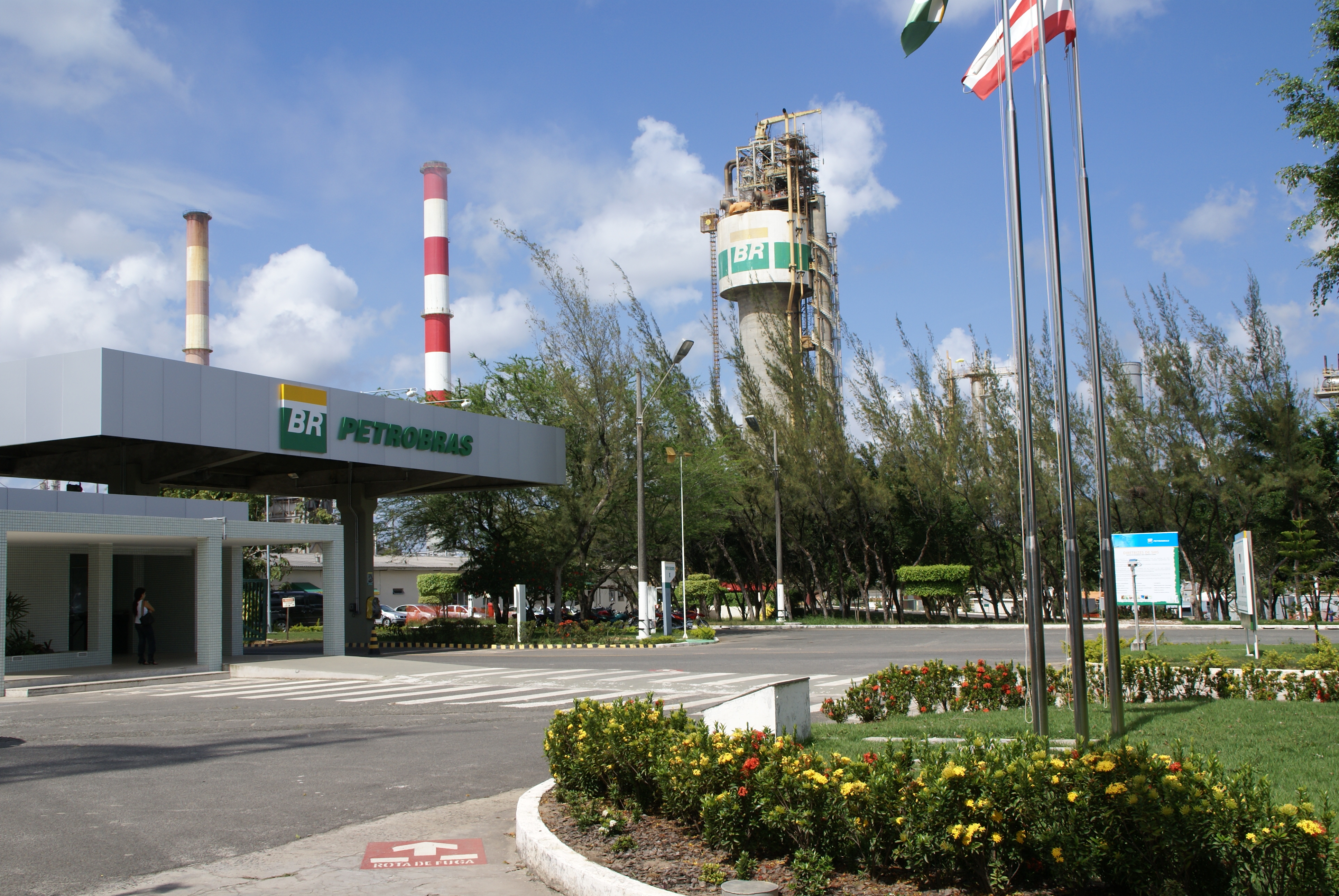
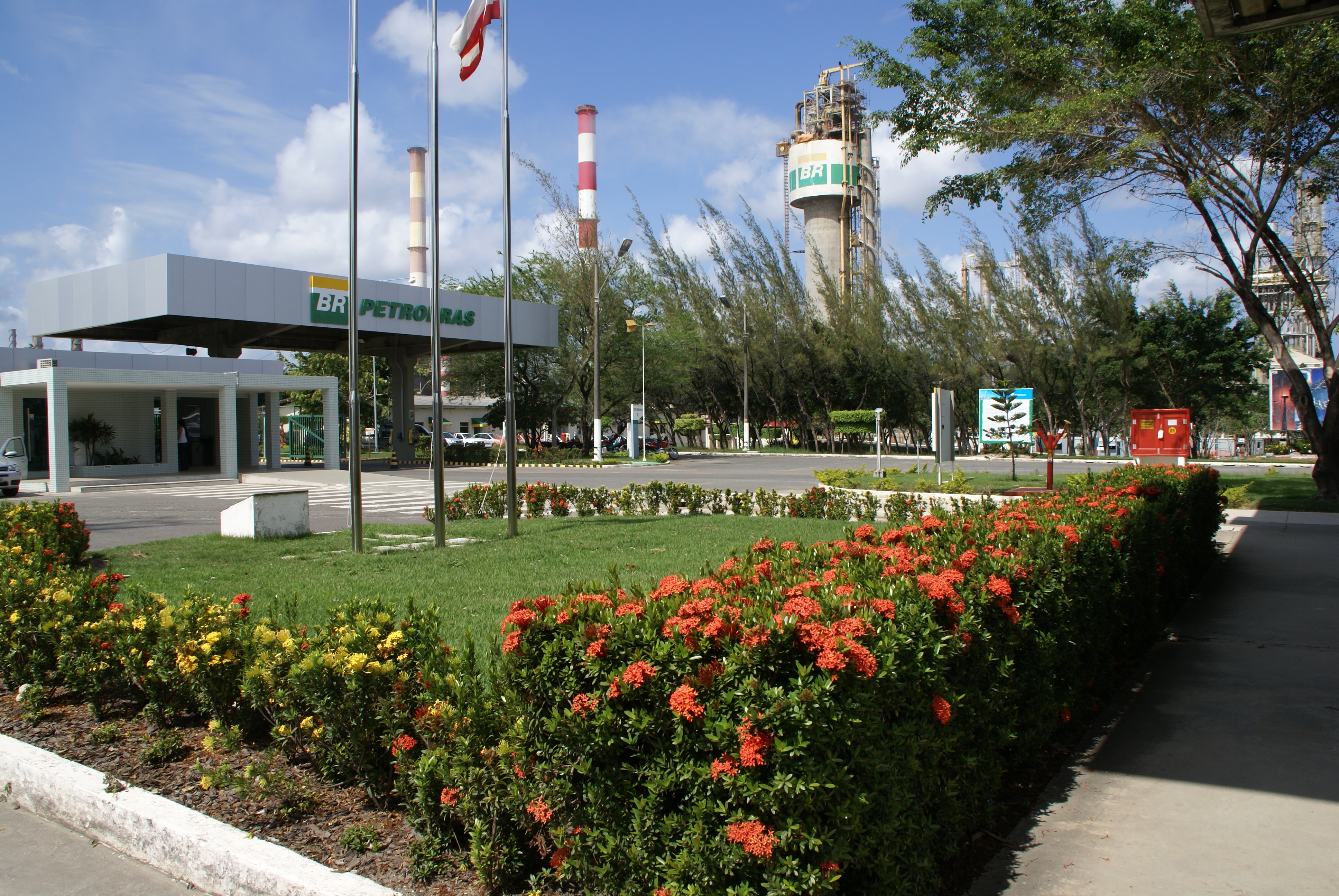
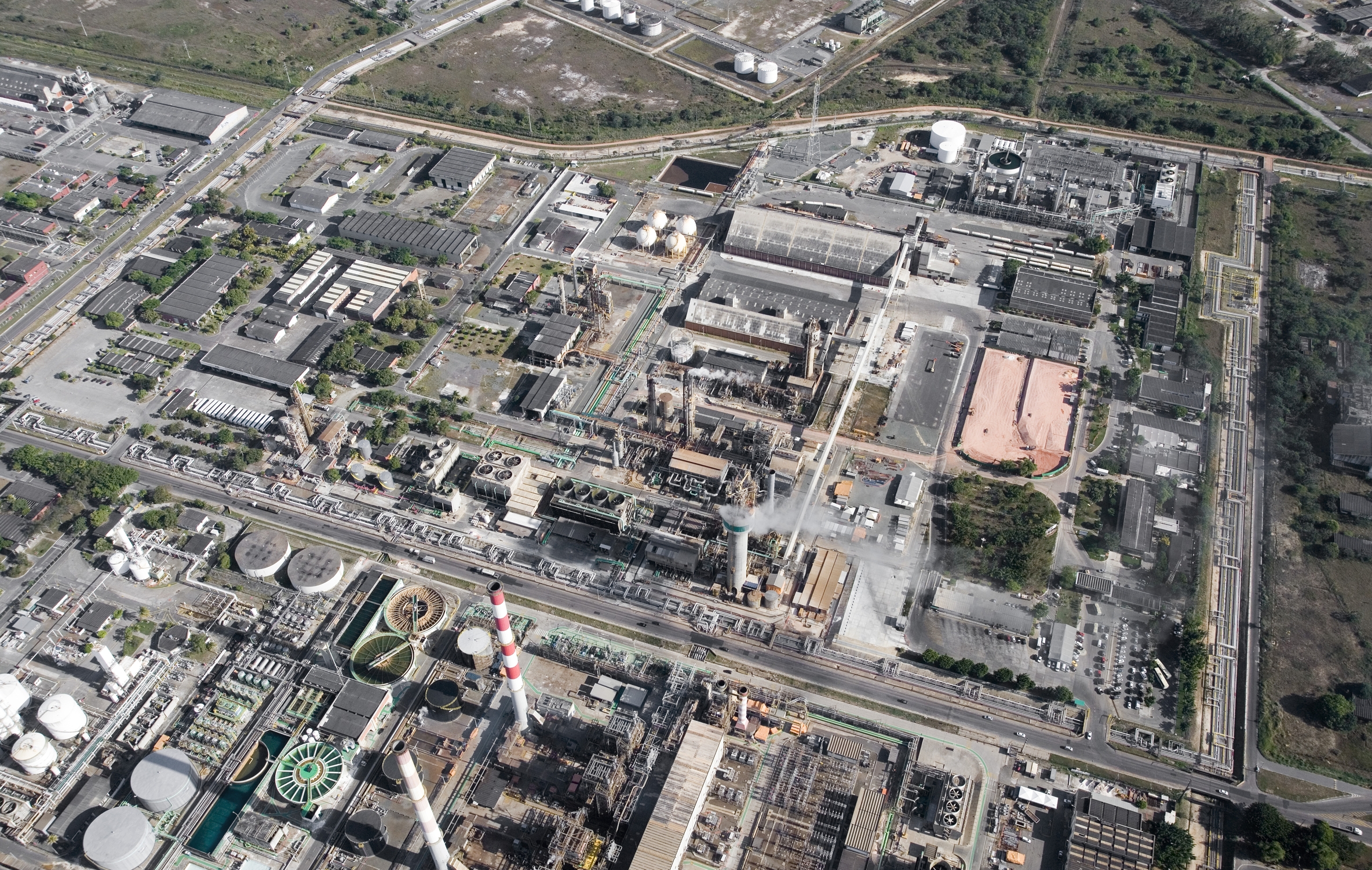
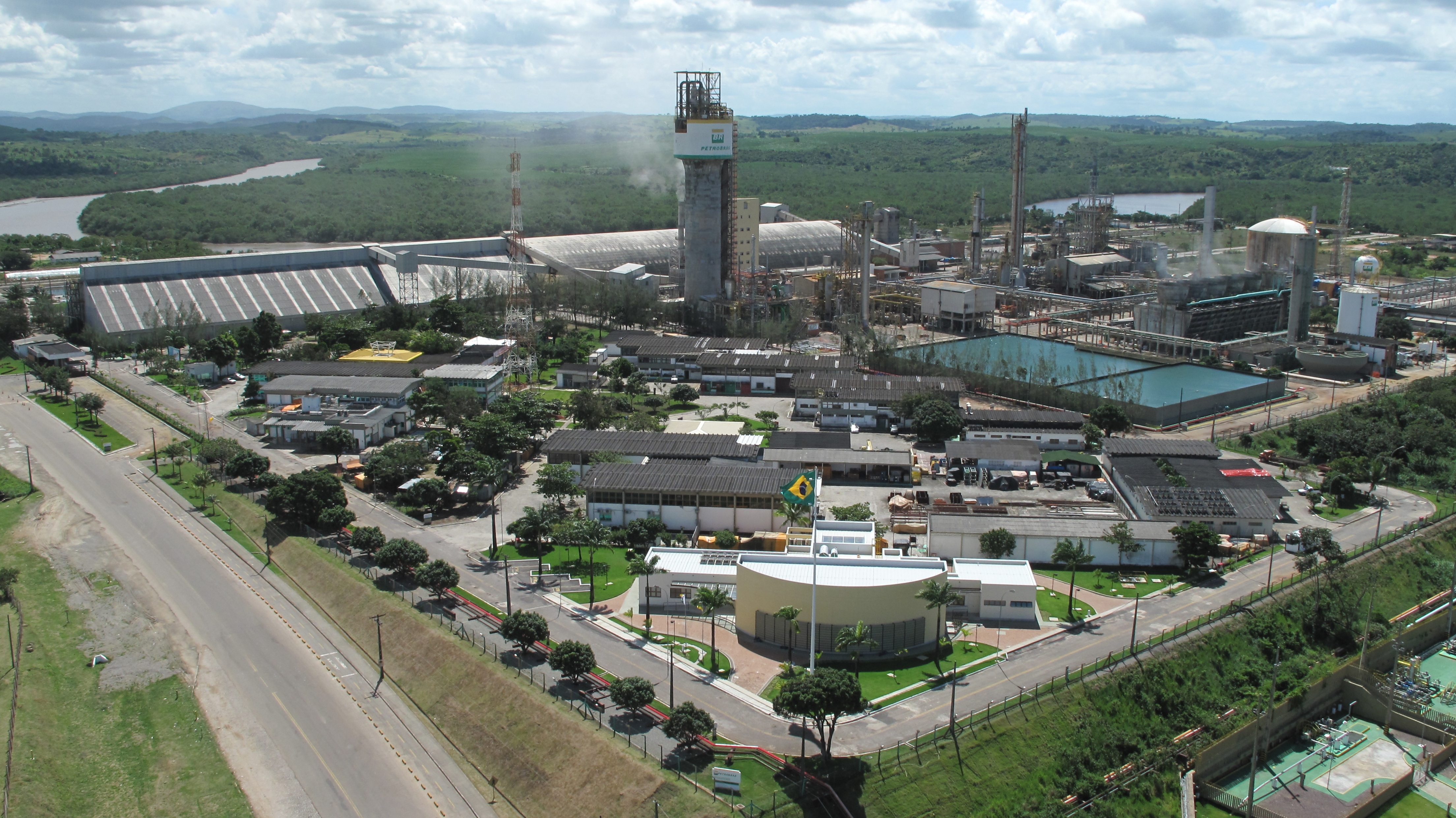
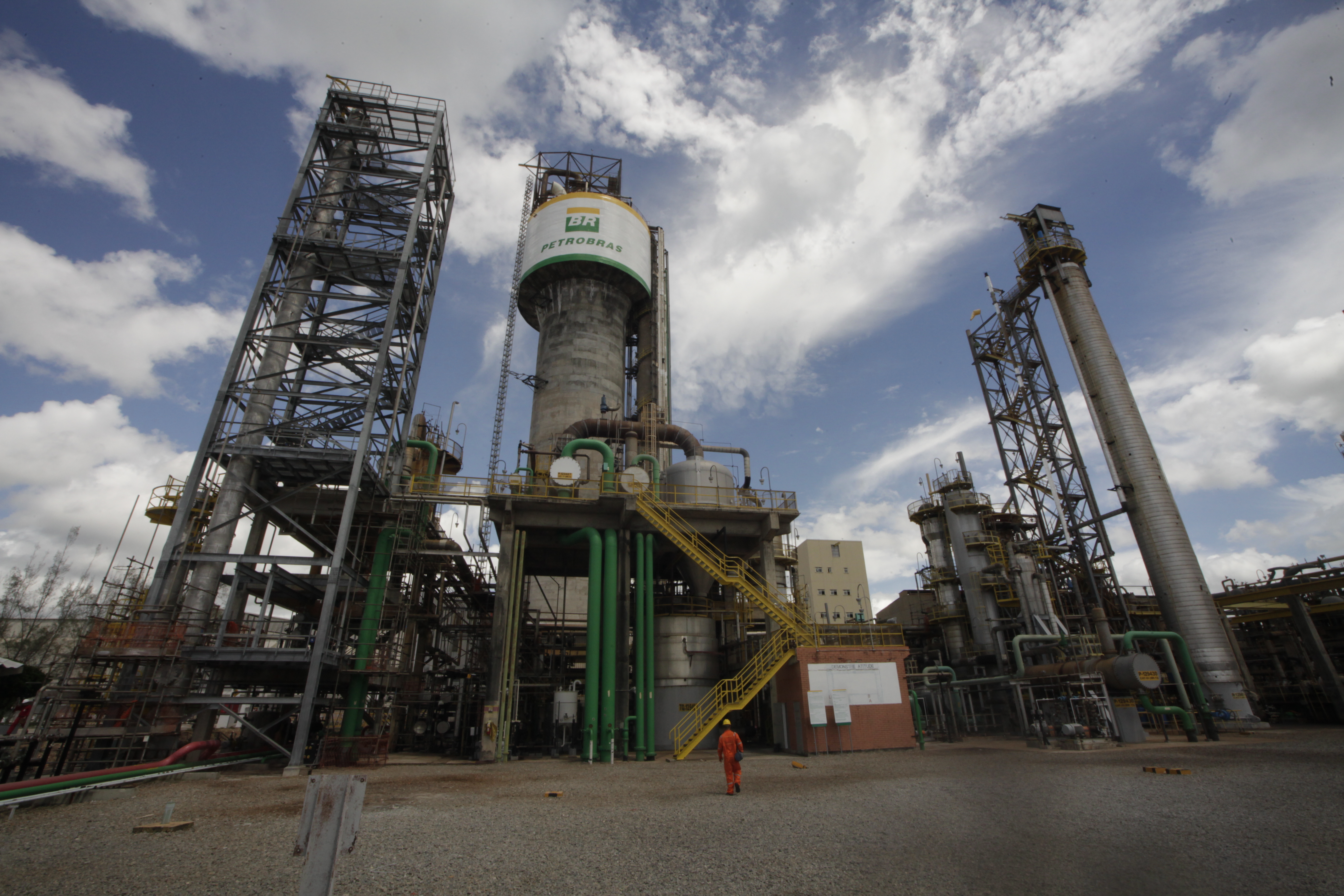
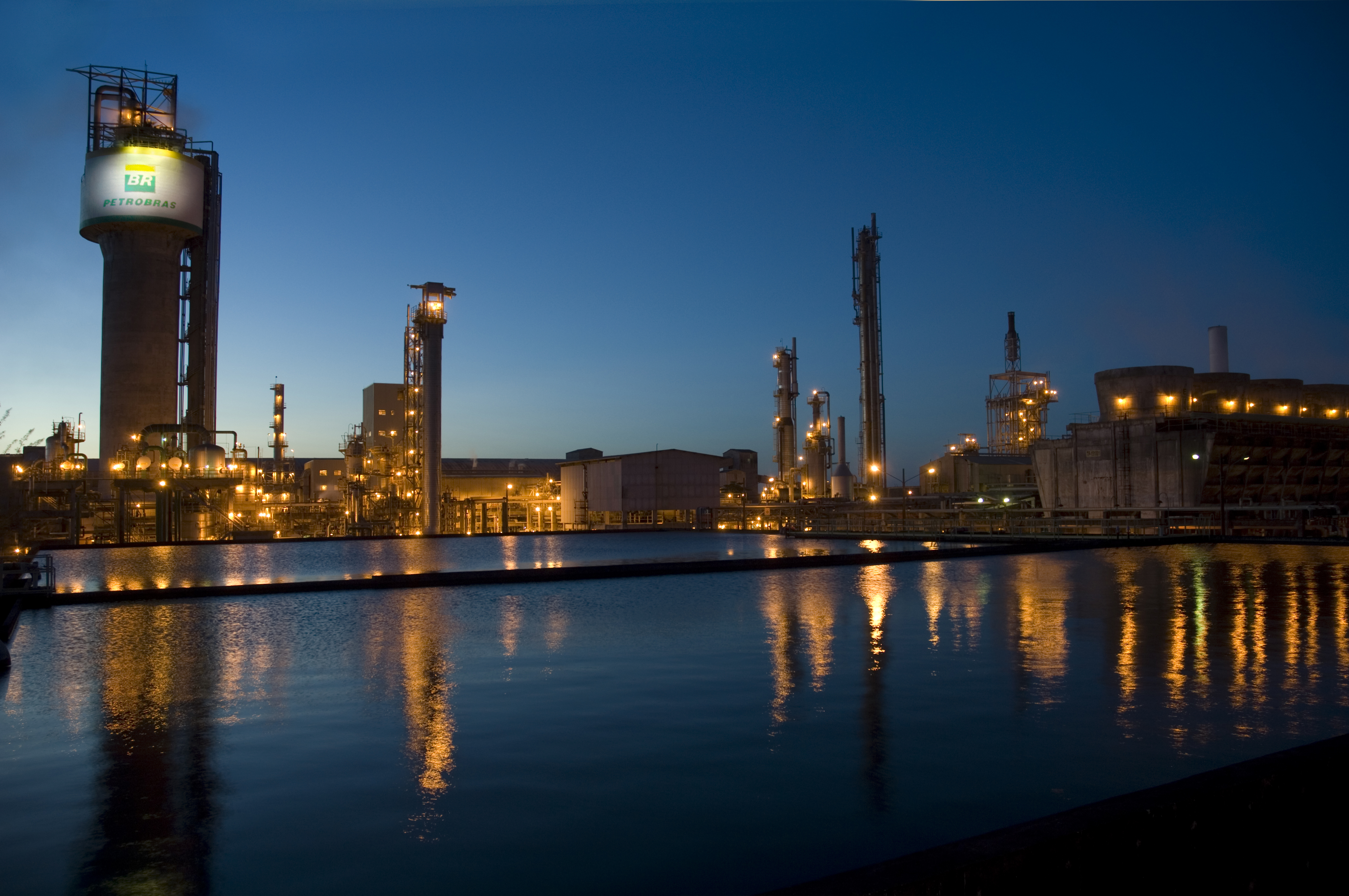
The Nitrogen Fertilizer Plant of Sergipe (FAFEN-SE), located in Laranjeiras
Download The Nitrogen Fertilizer Plant of Sergipe (FAFEN-SE), located in LaranjeirasThe month of January marks an important advance in the resumption of nitrogen fertilizer plants in the Northeast. In Sergipe, the unit, which had already been producing ammonia since December 31, began urea production on January 3. The plant in Bahia, in turn, had its maintenance completed last month and is now in start-up commissioning, with urea production expected to begin by the end of January. Together, the plants will produce ammonia, urea, and ARLA 32 (Automotive Liquid Reducing Agent), with initial investments of R$ 38 million in each unit. The resumption of the FAFENs is already generating 1,350 direct jobs and 4,050 indirect jobs.
The Nitrogen Fertilizer Plant of Sergipe, located in the municipality of Laranjeiras, has the capacity to produce 1,800 tons of urea per day, equivalent to 7% of the national market. In Bahia, the plant located in Camaçari can produce 1,300 tons of urea per day, corresponding to 5% of the national market. The operation of FAFEN-BA also includes the Ammonia and Urea Maritime Terminals at the Port of Aratu, in the city of Candeias.
"The two FAFENs, together with Araucária Nitrogenados S.A. (ANSA), another national fertilizer plant of Petrobras, located in Paraná, will account for 20% of Brazil's total urea demand. Our expectation is to increase national production to 35% in the coming years, with a new plant under construction in Mato Grosso do Sul," projects Petrobras Director of Industrial Processes and Products, William França.
The production of nitrogen fertilizers at the FAFENs will mainly contribute to restoring national capacity for strategic inputs for agribusiness, with fertilizer urea and urea for ruminant feed, and may also supply the textile, paint, and pulp and paper industries. By producing ARLA 32, Petrobras contributes a product that is essential for reducing vehicle emissions and preserving the environment.
"Currently, all urea consumed in Brazil is imported. With the resumption of national production, Petrobras increases the supply of this input in the domestic market, reduces external dependence, and strengthens the agribusiness production chain," emphasizes Director William. According to him, this is a strategic action, as the process uses natural gas as its main raw material, expanding the alternatives for allocating the gas produced by the company and generating value for industry, the agricultural sector, and the country.
Photos
Downloads
Text of this article
Text downloadVideos from this article
You may be interested in


Use our search to find what you are looking for
Do a search:
Most searched
Fuel price
Pre-salt
Team Petrobras
Choose a channel:
Do a search:
Most searched
Fuel price
Pre-salt
Team Petrobras
Accessibility:
Language:
Select a language: